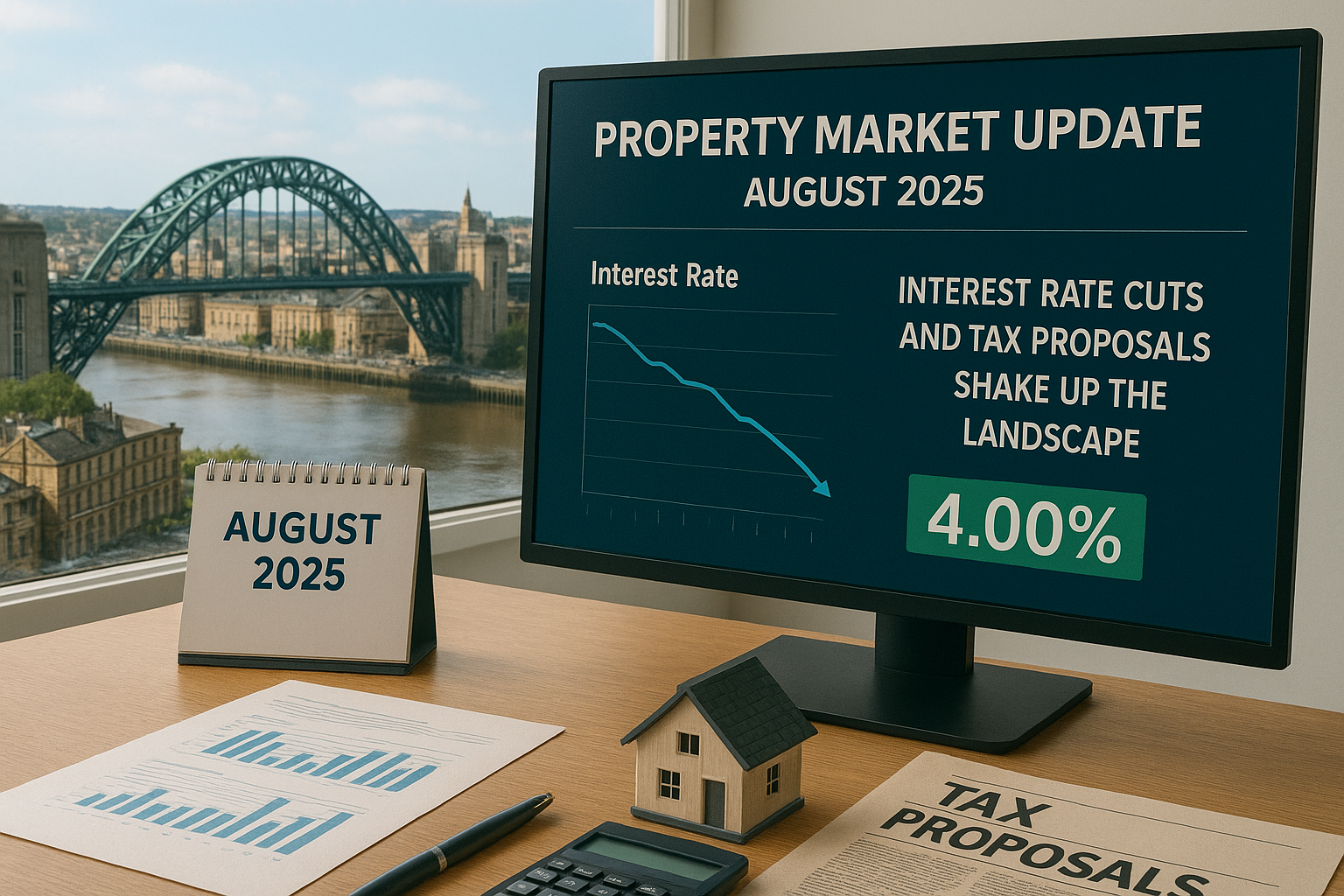
November 2025 - Budget Disappointment and Renter Reform Thoughts

Renters Reform is locked in – so what now? November brings the reality of these changes into sharper focus, alongside the usual Budget considerations. If you're a landlord, especially one who's not doing this full-time, it's time to get to grips with what it all means. Is the government making life harder for landlords? Maybe. But the real question is: how do you adapt and thrive in this new landscape?
Budget 2025: Key Property Updates from Government Sources
1. High Value Council Tax Surcharge
The government is introducing a new High Value Council Tax Surcharge for residential properties worth over £2 million in England, starting April 2028. The charges will be:
- £2,500 per year for properties worth £2-5 million
- £7,500 per year for properties worth over £5 million
This affects fewer than 1% of properties and will be paid by property owners rather than occupiers
2. Property Income Tax Changes
From April 2027, the government will create separate tax rates for property income:
- Property basic rate: 22%
- Property higher rate: 42%
- Property additional rate: 47%
This applies to England, Wales and Northern Ireland. The government will engage with devolved governments of Scotland and Wales regarding setting their own property income rates
3. Business Rates Reform
The government is introducing permanently lower business rates for retail, hospitality and leisure properties with rateable values below £500,000:
- Small business RHL multiplier: 38.2p (down from 49.9p)
- Standard RHL multiplier: 43p (down from 55.5p)
This is funded by a higher rate for properties worth £500,000+, set at 50.8p
4. Housing Investment
The government is committing to deliver 1.5 million homes in England this Parliament, backed by:
- £39 billion Social and Affordable Homes Programme over 10 years
- £16 billion National Housing Bank
- At least three new towns with 10,000+ homes each
The National Housing Bank will be headquartered in Leeds as part of a financial services cluster
5. Inheritance Tax Changes
The government will maintain the nil-rate band and residence nil-rate band at current levels for a further year until April 2031. The £1 million allowance for 100% rate of agricultural and business property relief will also be transferable between spouses and civil partners
6. Planning Reforms
The government is implementing the most ambitious planning reforms in a generation through the Planning and Infrastructure Bill, which aims to:
- Speed up major infrastructure delivery by up to 12 months
- Enable "default yes" to development around train stations
- Add 170,000 homes through reformed planning rules
The OBR estimates these reforms will add £6.8 billion to the economy
Renters' Rights Act
Phase 1: 1 May 2026
The core reforms will take effect, including:
Abolition of Section 21 'No Fault' Evictions
- Landlords can no longer evict tenants without a specific reason
- End to the practice that has pushed thousands into homelessness
- All assured tenancies become periodic (rolling contracts)
New Tenancy Structure
- All new and existing tenancies become Assured Periodic Tenancies
- Tenants can stay as long as they want (until valid grounds for eviction)
- Tenants can end tenancy with two months' notice
Reformed Possession Grounds
- Landlords can only evict with valid reasons such as:
- Selling the property
- Moving in themselves or close family member
- Tenant rent arrears or anti-social behaviour
- Extended grounds for serious persistent rent arrears and anti-social behaviour
Rent Controls
- Rent increases limited to once per year
- Landlords must give at least 2 months' notice of increases
- Tenants can challenge excessive above-market rents designed to force them out
Ban on Rental Bidding and Advance Payments
- Illegal to ask for or accept offers above advertised rent
- Cannot request more than 1 month's rent in advance
Anti-Discrimination Measures
- Illegal to discriminate against tenants with children or on benefits
- Must base decisions only on financial suitability
Pet Rights
- Tenants have right to request pets
- Landlords must consider requests and cannot unreasonably refuse
- Initial 28-day consideration period for landlords
Strengthened Enforcement
- Enhanced local council powers and civil penalties
- Rent repayment orders extended to superior landlords
- Maximum penalties doubled for repeat offenders
Phase 2: From Late 2026
Private Rented Sector Database
- Mandatory registration for all PRS landlords from late 2026
- Annual fee required (amount to be confirmed)
- Must provide:
- Landlord contact details
- Property details (address, type, bedrooms, occupancy)
- Safety information (Gas, Electric, Energy Performance Certificates)
Private Rented Sector Landlord Ombudsman
- Mandatory scheme for all landlords (expected 2028)
- Binding dispute resolution service
- Powers to compel landlords to:
- Issue apologies
- Provide information
- Take remedial action
- Pay compensation
Phase 3: Dates TBC (Subject to Consultation)
Decent Homes Standard
- Applied to PRS for first time
- Properties must be safe, well-maintained and free from serious hazards
- Consultation proposed implementation for either 2035 or 2037
Awaab's Law Extension
- Clear legal timeframes for landlords to address serious hazards
- Particularly focuses on damp and mould issues
- Empowers tenants to challenge dangerous conditions
Energy Efficiency Standards
- Consultation on requiring all PRS properties to meet EPC C or equivalent by 2030
November Newsletter - Budget Disappointment & Renter Reform Thoughts
Well, the UK budget arrived, and... it was a bit of a letdown, wasn't it? Not much in there to really grab your attention. It feels like the government's nudging everyone to get their money working harder through investments, rather than letting it sit in a bank.
And that's a point we've been making for ages! While everyone's been waiting and watching, those who've already invested with us have been reaping the rewards.
On the Renters Reform Bill, we reckon about 90% of it is just good, common sense – stuff we're already doing as standard (and often going above and beyond). As for the other 10%, we're waiting for the full picture to emerge before we make a judgement.
The bottom line? If you're in property to make money, it's a business. Treat it that way, and you'll see the difference.
This blog post was written by Chris and Anthony Hunter, founders of Chant Properties Ltd. The information provided is based on market data available as of November 2025 and represents our current understanding of the property market. Always seek professional advice before making investment decisions.
Please fact-check all information before publishing, particularly the statistics, dates, and specific details about policy changes.